Quick Answer: Coworking community managers spend most of their day on manual admin like booking approvals, invoice chasing, onboarding messages, and access updates, instead of the relationship work they were hired for. A recent coworking survey from Optix, found that 57% of a community manager’s day is spent inside software tools, and 77% wish they had more time to connect with members. The fix is automating the admin, not working the community manager harder.
What is a coworking community manager actually hired to do?
The job is relationships: introductions, events, and the kind of consistent presence that makes members feel known and connected to each other. When that works, people renew. When it doesn’t, they leave. No amount of smooth operations fills the gap.
That is the core of the coworking community manager role and job description. They introduce the freelance designer in desk 12 to the startup founder in the private office. They run the monthly mixer that turns acquaintances into actual connections. They notice when someone has not shown up for two weeks and send a check-in message.
None of that is admin. The problem is that none of that is what most community managers spend their day doing.
Why do community managers spend so much time on admin?
Most coworking software defaults to human-handled. Every booking needs an approval. Every missed invoice needs a follow-up. Every new member needs access provisioned. Unless the software automates those tasks, a human catches them, and in most spaces, that human is the community manager.
Here’s what we mean. A booking comes in at 8:47am. Someone has to approve it. In most spaces, that someone is the community manager, who opens a separate tab, checks a calendar, hits accept, and moves on. Multiply that by forty bookings a day.
An invoice goes out Friday and does not get paid by Wednesday. Someone has to chase it. That someone is usually the community manager, writing a polite follow-up email from scratch, saving it as a draft, checking back next week.
A new member joins. Someone has to send the welcome message, grant door access, add them to the community chat, and book them into orientation. That someone is, again, the community manager.
None of this is community work. All of it is what most coworking software leaves uncovered.
How much of a community manager’s day goes to admin work?

57% of a community manager’s day goes to software tools. That’s from Optix’s 2024 Coworking Automation Survey of around 100 operators globally, and 77% of those same community managers said they wish they had more time to connect with members. The gap between the job and the day isn’t a morale problem. It’s measurable.
Survey findings, Optix 2024 Coworking Automation Survey, -100 coworking operators globally:
- 57% of a community manager’s day is spent inside software tools.
- 77% of community managers wish they had more time to connect with members.
- 97% of owners and founders say automating their space is important or very important.
The operator language is even more direct. One community manager, described their average day like this:
"90% of my day is dealing with nonsense. People destroying the bathroom, moving furniture back to where it belongs, pulling pencils out of the dishwasher, member drama."Alberto DiRisio in Coworking Insights (February 2025)
What does a community manager’s typical admin workload look like?
The admin isn’t one big thing. It’s a stack of small, repeatable tasks that each take a few minutes and collectively consume most of the day. Booking approvals. Invoice follow-ups. Welcome messages. Access updates. None of it requires judgment or warmth. All of it requires time.
Admin tasks most community managers still do manually:
- Approving daily desk and room bookings one by one
- Sending welcome messages and onboarding instructions to new members
- Granting or revoking door and Wi-Fi access
- Chasing overdue invoices through email threads
- Reconciling recurring subscription charges against membership plans
- Logging occupancy in spreadsheets
- Updating member profiles and company affiliations
- Responding to routine questions about printing, room availability, or meeting-room tech
- Sharing Wi-Fi passwords
- Manually adding new members to Slack, Teams, or the community forum
Every item on this list is a candidate for automation. When it runs on autopilot, the community manager’s day opens back up.
Why does community work drive retention more than admin does?
Members don’t renew because invoices arrived on time or bookings got approved quickly. They renew because they feel connected to the space and to the people in it. Admin is invisible when it goes well. Community is what members actually notice, and what they’re willing to pay to stay part of.
Deskmag’s Global Coworking Survey found that for many members, an existing community is one of the most important reasons for choosing a coworking space, and a lack of community leads directly to less revenue. Peer-reviewed research published in the Review of Managerial Science by Orel and colleagues describes community managers as the mechanism by which coworking spaces retain talent, through interaction strategies and atmosphere cultivation.
Retention math is simple. A small lift compounds. A 2% increase in retention can reduce costs by as much as 10% and grow profits by up to 125%, which is why strategies to boost coworking member retention are one of the highest-leverage things a coworking operator can work on. That lift does not come from faster invoice turnarounds. It comes from members feeling like they belong.
How should coworking operators free up their community manager’s time?
Five practical shifts:
1. Booking automation. Bookings approve themselves against rules you set. The community manager stops touching them.
2. Billing automation. Invoices generate, send, and chase themselves. Overdue accounts surface only when they hit an exception.
3. Onboarding automation. A new member sign-up triggers a welcome message, access provisioning, orientation invite, and community-group add in one flow. No manual relay.
4. Access automation. Door and Wi-Fi access tie to membership status, not to a human remembering to update a spreadsheet.
5. Member comms automation. Recurring templates like renewal reminders, event RSVPs, and feedback surveys run on schedule without anyone drafting them from scratch.
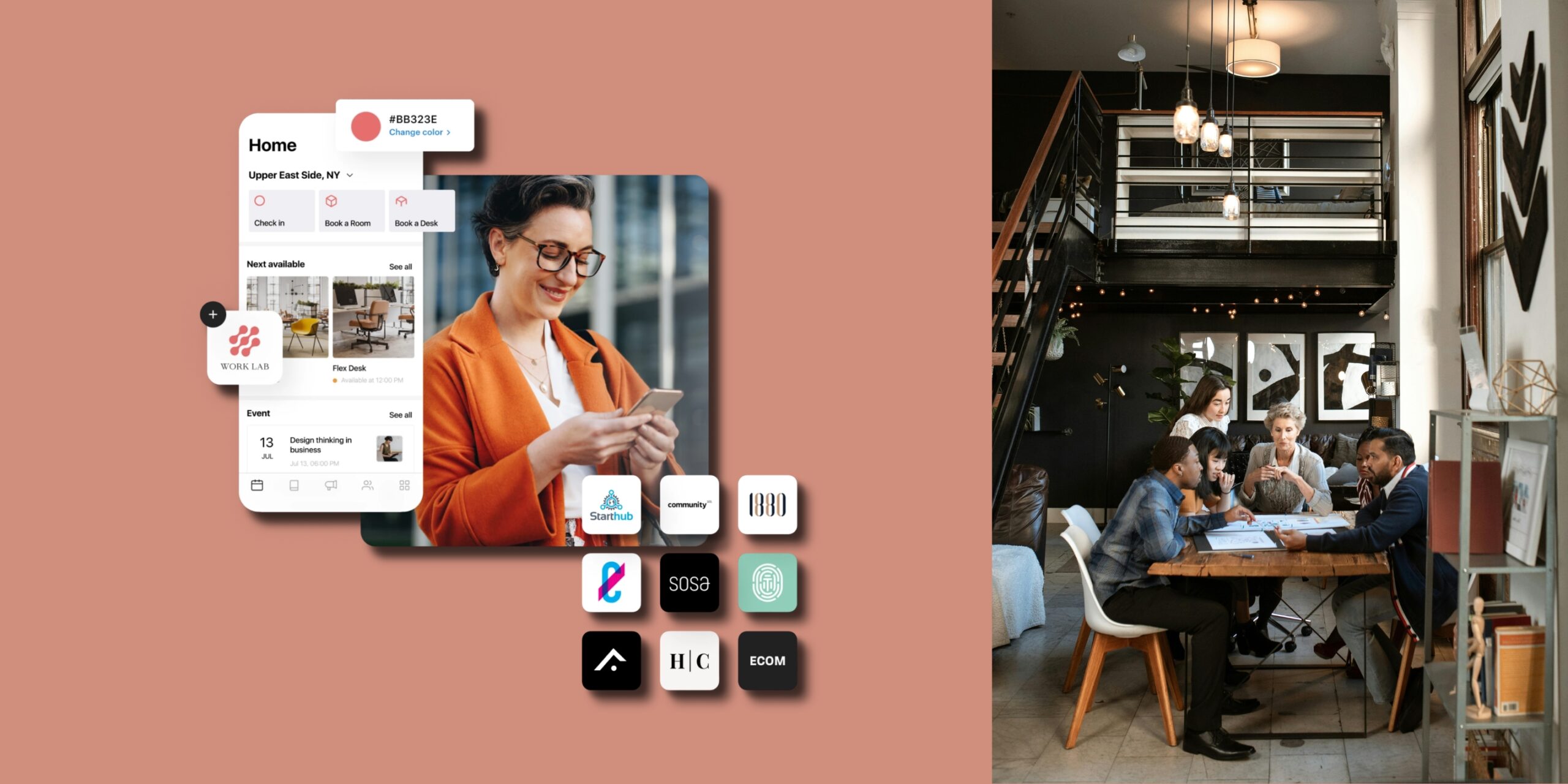
This is a snapshot of the automation capabilities aviailable in Optix. Workflows run quietly in the background. The community manager’s time opens back up for the relationship work that actually drives retention.
What changes when a community manager actually has time to build community?
Retention lifts. Referrals follow. When a community manager has their time back, the relationship work that actually earns renewals gets done: introductions, events, check-ins, the early conversation with a member who’s thinking about leaving.
A community manager with their time back can do what they were hired to do. They can notice who is new and make the first introduction. They can run the monthly event that gets members talking. They can have the ten-minute conversation with a member who is thinking about leaving, and find out why.
None of that shows up on a booking report. All of it shows up in how to build a coworking community article; retention curves, word-of-mouth acquisition, and the ambient feeling that makes new members say yes on the tour.
The question isn’t whether your community manager is working hard enough. The question is what your software is making them work on.
Key Takeaways
- Community managers are hired for relationships, not admin approvals and invoice chasing.
- Optix’s 2024 survey found 57% of a community manager’s day goes to software tools.
- 77% of community managers say they want more time with members.
- Most admin work like bookings, onboarding, access, and billing is automatable.
- Community work, not operational throughput, is the coworking retention driver.
- The fix is in the software, not in working the community manager harder.
Frequently asked questions
A coworking community manager builds relationships with members, runs events, makes introductions, and creates the sense of belonging that drives member retention. In practice, most community managers also handle operational tasks like booking approvals and invoice chasing, which pulls them away from the relationship work that defines the role.
In Optix’s 2024 Coworking Automation Survey of around 100 operators globally, community managers reported spending 57% of their day inside software tools. 77% said they wish they had more time to connect with members in the space. The gap between what they were hired to do and what they actually do is well-documented.
Admin work expands to fill the time available. Adding hours to a community manager’s day increases how much admin gets done, not how much community gets built. The constraint is not effort. It is that coworking software keeps generating admin tasks that land on a human desk by default, and automating those tasks is the only durable fix.
Booking approvals, invoice generation and chasing, new member onboarding, door and Wi-Fi access provisioning, recurring billing, occupancy logging, community-group adds, and routine member communications can all be automated with modern coworking management software. Anything rule-based and repeatable is a candidate.
No. Automation replaces the admin work, not the person. The community manager’s job is relationship work, which cannot be automated. What automation does is free up the hours currently consumed by software tasks so the community manager can focus on the part of their job that actually drives retention.
Community work is the primary driver of coworking member retention. Industry research including Deskmag’s Global Coworking Survey and peer-reviewed work in the Review of Managerial Science consistently identifies community and connection as the top reasons members choose and stay in a coworking space. A 2% lift in retention can reduce costs by up to 10% and grow profits by up to 125%.