
Optix vs Yardi Kube: Which Software is Better for Coworking Spaces
Comparing Yardi Kube and Optix coworking software
July 25, 2025
TL;DR
Trying to find the best coworking software and feeling stuck? In this article, we’ll dive into the key differences between Optix and Yardi Kube when it comes to managing coworking and flex spaces.
We’ll break down the pros and cons of each platform so that you have all of the information you need to choose the right software for your business.
Yardi Kube is a coworking space management platform offered by Yardi Systems. Originally launched in 2019, it was built with their Yardi Voyager property management platform at its foundation, symbolizing its roots in traditional commercial real estate management. Today, Yardi Kube works across the Yardi ecosystem for accounting, billing, and financial oversight.
Designed as an enterprise-level coworking solution, Yardi Kube is a powerful platform used by large-scale coworking spaces and flexible workplaces. Below are some of the greatest strengths to using the Yardi Kube platform for coworking space management.
The greatest strengths in using Yardi Kube are its all-in-one platform ecosystem, along with its enterprise level scalability and functionality.
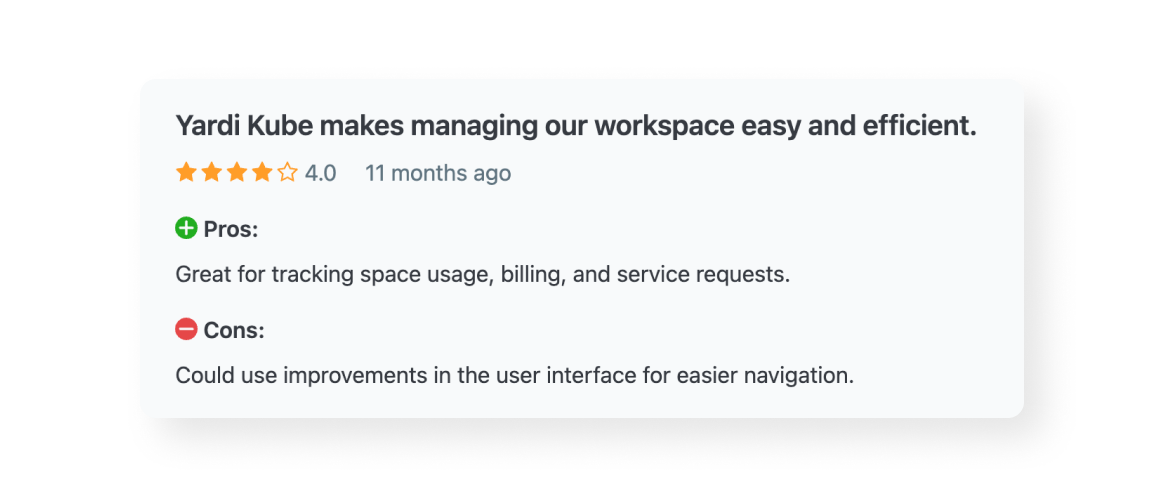
With this in mind, there are some potential pitfalls to the Yardi Kube platform, as reported by users, that operators should keep in mind when exploring the platform.
While Yardi Kube offers a comprehensive all-in-one platform, it can sometimes be rigid, complex, and difficult to navigate according to some reviewers online.
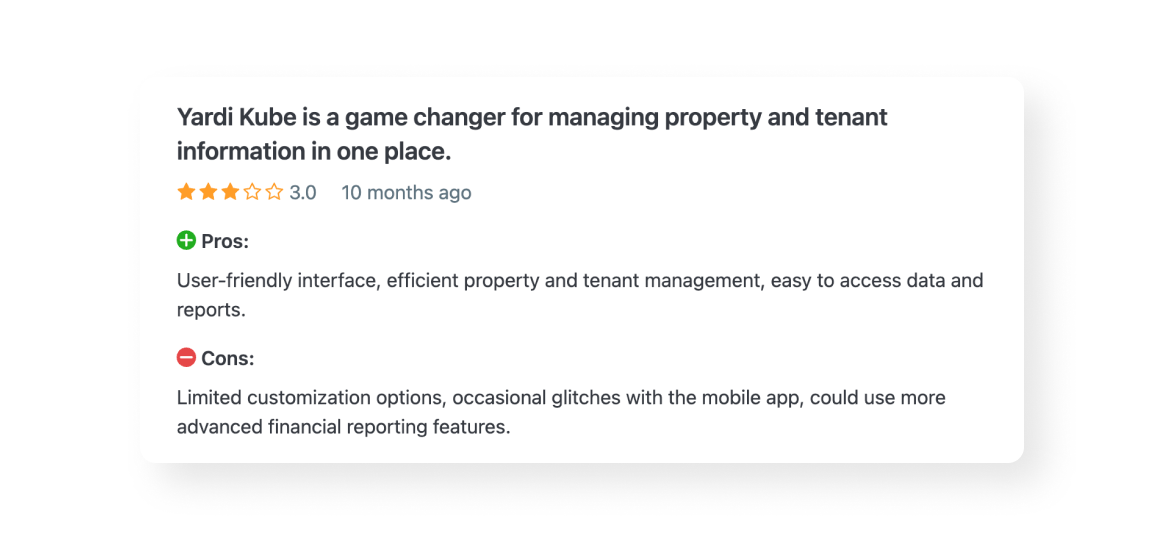
With this in mind, Yardi Kube is best suited for enterprise-level or corporate coworking franchises. It is also well-suited to real estate developers integrating coworking into broader portfolios who may already be using other Yardi products.
While both serve coworking space owners and operators, Optix and Yardi Kube have many differences in their approach. Let’s take a look at some of the key ways Optix and Yardi Kube differ.
Optix offers a modern user interface designed specifically for coworking spaces. It’s been recognized as the best user experience in the industry with a clean, intuitive design that is easy to navigate. While its mobile-first approach for end-users is a standout strength, the admin dashboard also shines with a beautiful, intuitive interface.
Yardi Kube provides a more complex, enterprise-style interface rooted in commercial real estate operations. Its feature-rich dashboard is well-suited for asset managers and operators already familiar with Yardi’s broader ecosystem. However, the interface may have a steeper learning curve for day-to-day users like community managers. For operators prioritizing ease of use, Yardi Kube may feel cumbersome by comparison.
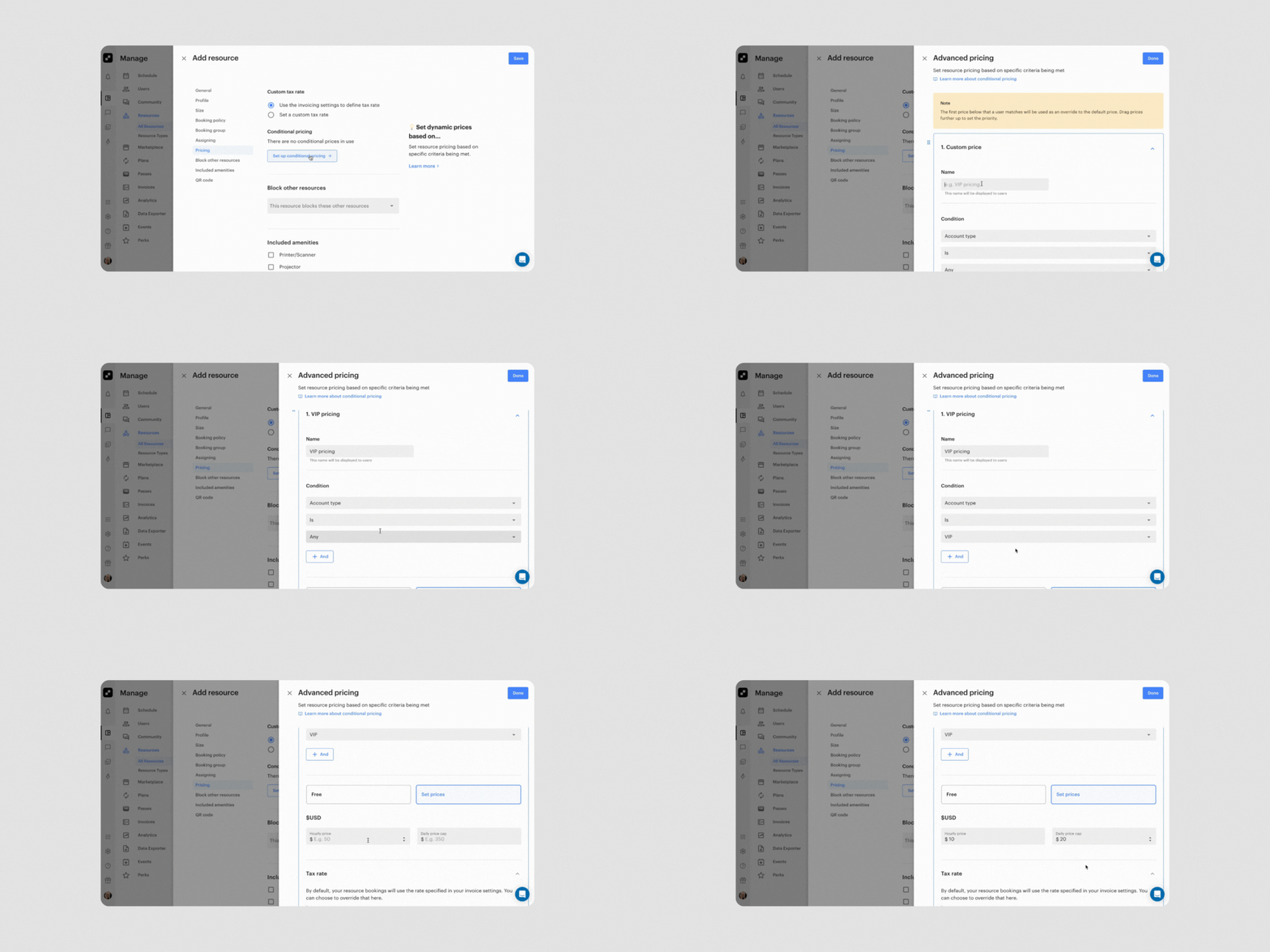
Yardi Kube typically requires a longer deployment timeline and a more involved onboarding process, especially for teams new to Yardi. Its enterprise-grade feature set means a steeper learning curve which sometimes requires more formal training. For coworking operators seeking speed and simplicity, this setup process can feel heavy.
Optix, by contrast, boasts a straightforward implementation and thoughtful onboarding experience. The Customer Success team supports operators in ensuring the platform is tailored to their unique needs. This means spaces can launch confidently and start delivering value right away.
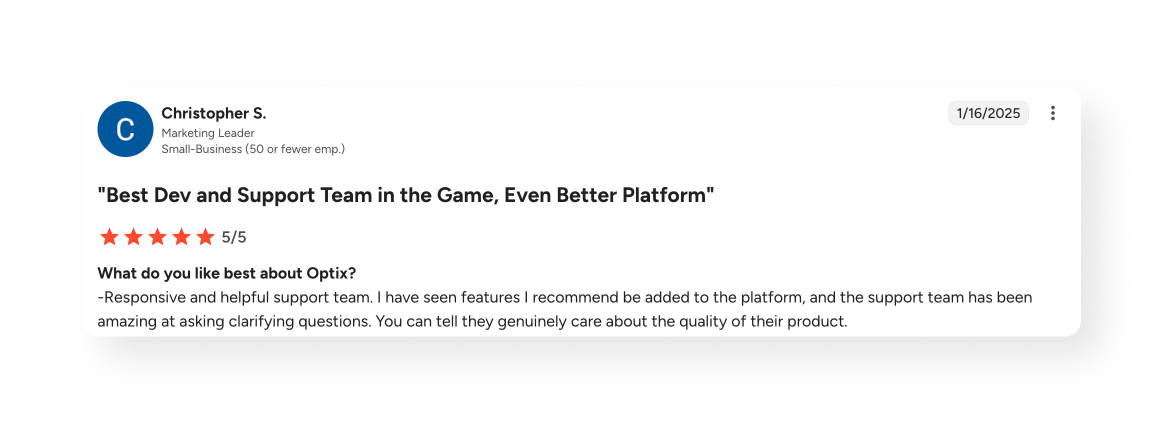
Yardi Kube offers a member experience centered primarily around web-based tools. While it does include an optional mobile app, the experience is not white-labeled, meaning members interact with Yardi’s branding rather than that of the coworking space. This can lead to a more generic feel and may limit opportunities for community engagement or branding.
Optix delivers a fully branded member experience through its white-labeled mobile app. Members can manage bookings, invoices, events, communication, and more all within an app that reflects the coworking space’s unique brand identity. For operators focused on delivering a community-driven experience like Gravitate Coworking in Iowa, Optix may be the better choice.
“What drew me in first was just the elegance of it, and that it really looked like an app for our business, as opposed to previous platforms where you log in, and you're on the software company's app.”
Yardi Kube offers limited flexibility when it comes to customizing the dashboard for everyday use. Because of its roots in property managing, it can sometimes feel rigid for coworking spaces that operate with more agile, community-focused models.
Optix, on the other hand, is designed for flexibility and adaptability, allowing operators to shape the platform around their business model. Its modularity makes it easy to configure bookings, memberships, communications, and more without needing custom development or external consultants for set up.
Yardi Kube offers limited automation capabilities for manual operational tasks. For operators looking to streamline lead follow-up, automate membership changes, or trigger communications based on member behavior, Yardi Kube may fall short without significant customization or third-party integrations.
Optix, by contrast, includes Automations, a powerful built-in automation tool that allows operators to create custom workflows for repetitive tasks like sending welcome emails, and following-up on invoices. This means operators can spend less time completing manual tasks in software and more time with their community. Automation capabilities are the key to saving time, reducing human error, and delivering a more responsive, personalized member experience.
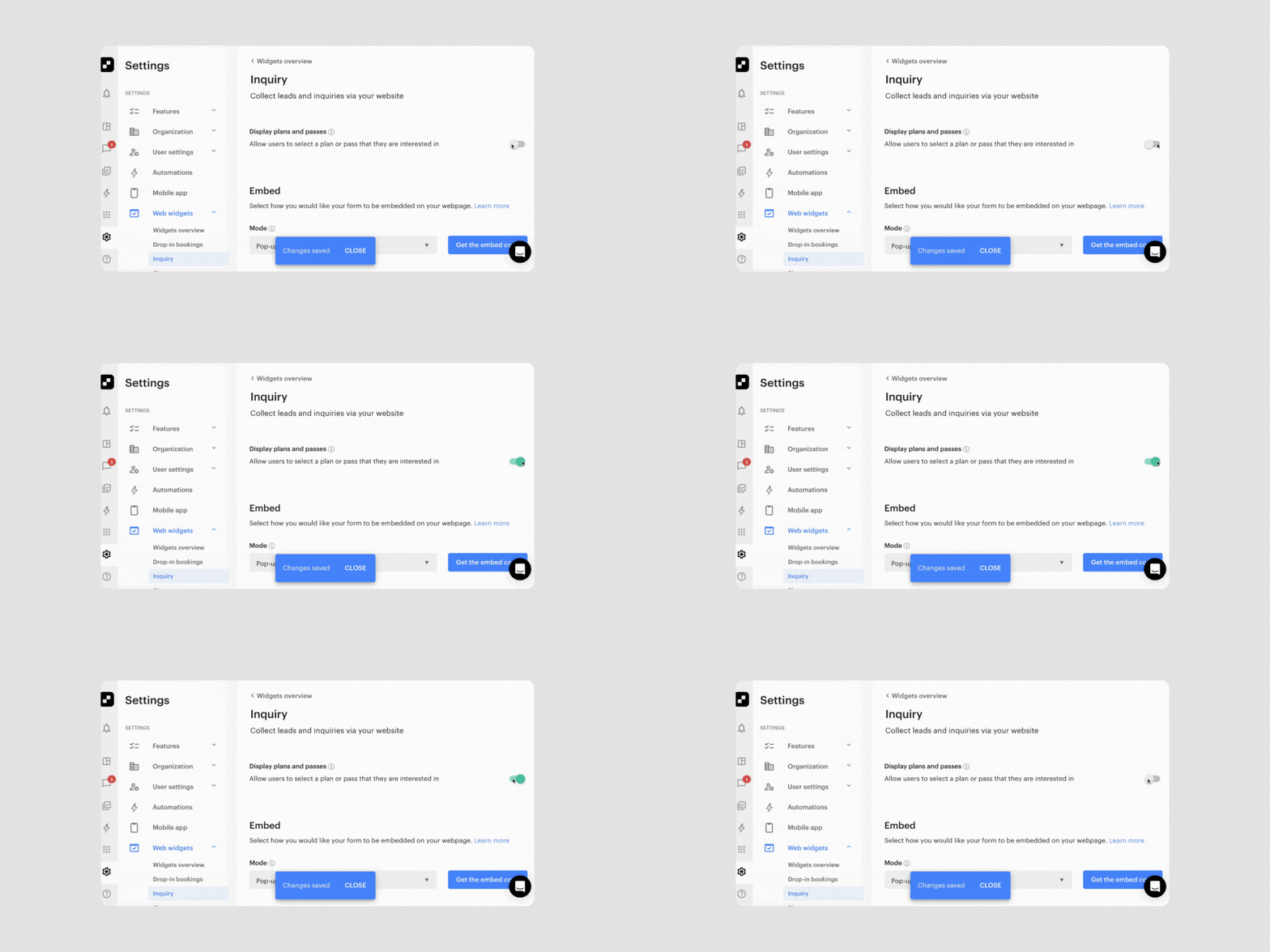
Yardi Kube follows an enterprise-style pricing model, offering custom quotes based on the size and complexity of your operation. While this approach can work well for large organizations with tailored needs, it may not always suit boutique operators.
Optix offers transparent, tiered pricing plans designed to support coworking spaces of every size. Whether you’re launching a single location, expanding to multiple spaces, or running a distributed network, Optix provides clear pricing information upfront, allowing operators to scale with ease.
Yardi Kube is best suited for enterprise-level coworking brands, commercial real estate operators, and property management firms integrating flex space into broader portfolios. Optix, on the other hand, is ideal for modern coworking operators of all sizes who prioritize agility, brand experience, and operational efficiency.
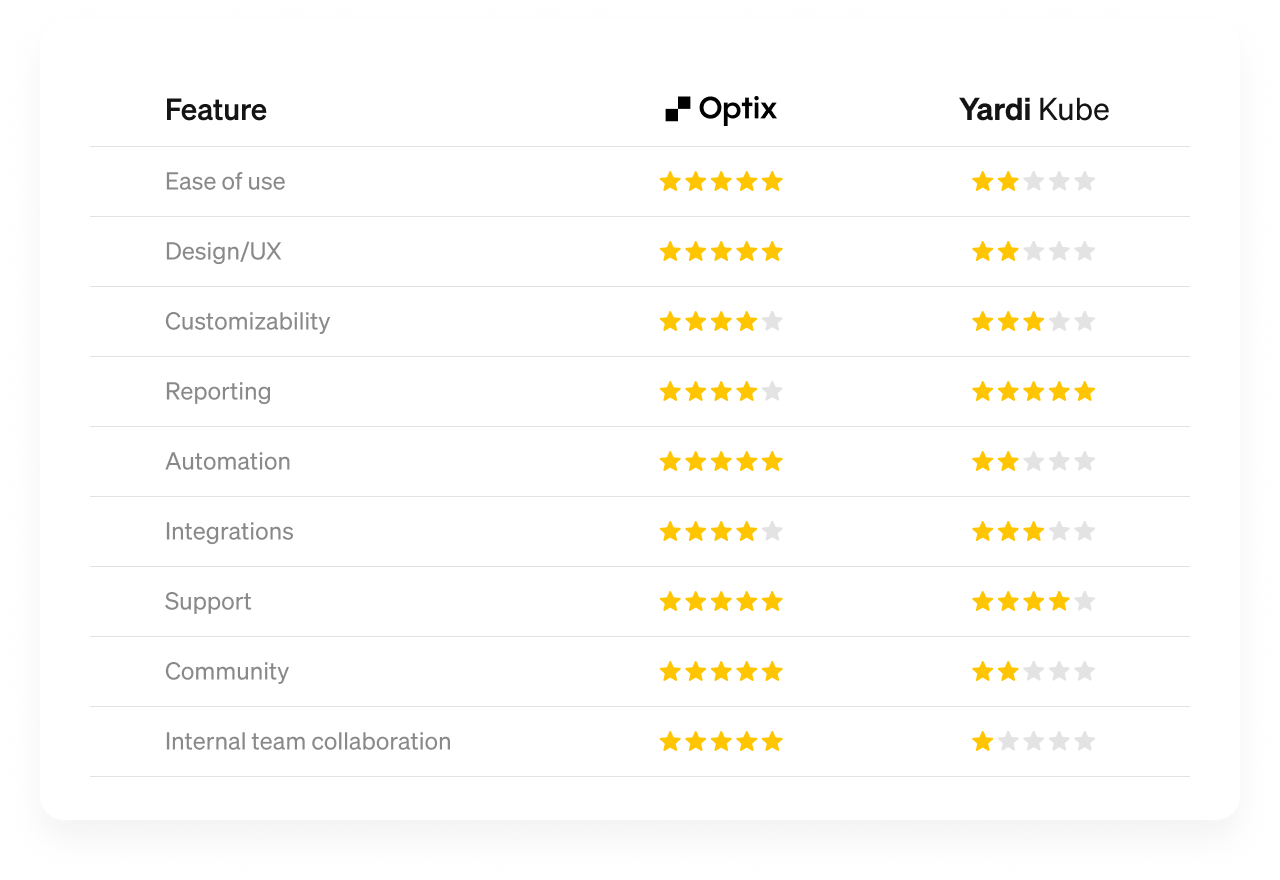
Both Yardi Kube and Optix offer valuable tools for managing coworking and flexible workspaces, but they serve distinct needs.
Yardi Kube shines in enterprise environments where deep integration with real estate systems, detailed financial reporting, and centralized IT infrastructure are top priorities. Optix, meanwhile, delivers a more modern, intuitive experience built specifically for coworking teams that value speed, flexibility, and seamless member engagement.
Ultimately, the right choice depends on your business model—but for many modern coworking spaces, Optix strikes an ideal balance between ease of use, flexibility, and performance.